Written by

Eric
Share this article

.svg)
Subscribe to updates
If you're a loan officer, broker, or wholesale lender, you know firsthand that the mortgage origination process can often feel like a maze. It's complex, labor-intensive, and frankly, exhausting. I've spent enough late nights staring at stalled applications to realize that without a healthy strategy, deals stall, and revenue slips away.
Mastering mortgage pipeline management isn't just a nice-to-have. It's business survival. In this ultimate guide, I'm walking you through exactly what a pipeline is, the core elements you need to track, and the modern AI-driven best practices to keep your deals closing smoothly.
Key Takeaways
- What it is: A mortgage pipeline tracks your entire loan portfolio from initial origination straight through to the final closing table.
- Core elements: Effective management balances operational efficiency, risk hedging, and strict regulatory compliance.
- The AI Edge: Leveraging AI tools, like Zeitro, drastically changes the game by automating manual guidelines, speeding up pre-qualifications, and driving higher close rates.
What is a Mortgage Pipeline?
So, what exactly are we looking at here? In simple terms, a mortgage pipeline is the collection of loan applications your team is actively working on, spanning from the moment a borrower applies (origination) right down to when the funds are disbursed (closing), or when a file is ultimately withdrawn.
Why does maintaining this pipeline matter so much? Because leaving loans unmonitored leads to chaos. When I first started tracking my fallout rate (the percentage of loans that fail to close), I realized how quickly profitability evaporates when bottlenecks go unnoticed. Keeping a close eye on your active deals gives you a transparent, holistic view of your business health.
Here is exactly what an organized pipeline does for you:
- Forecasting Revenue & Cash Flow: You know exactly what funds are coming in and when.
- Tracking Loan Status & Identifying Bottlenecks: Pinpoint exactly where a file gets stuck, be it in processing or underwriting.
- Managing Hedging & Interest Rate Risks: Protect your margins against sudden market rate fluctuations.
- Resource Allocation: Prevent your underwriters and processors from burning out by distributing the workload evenly.

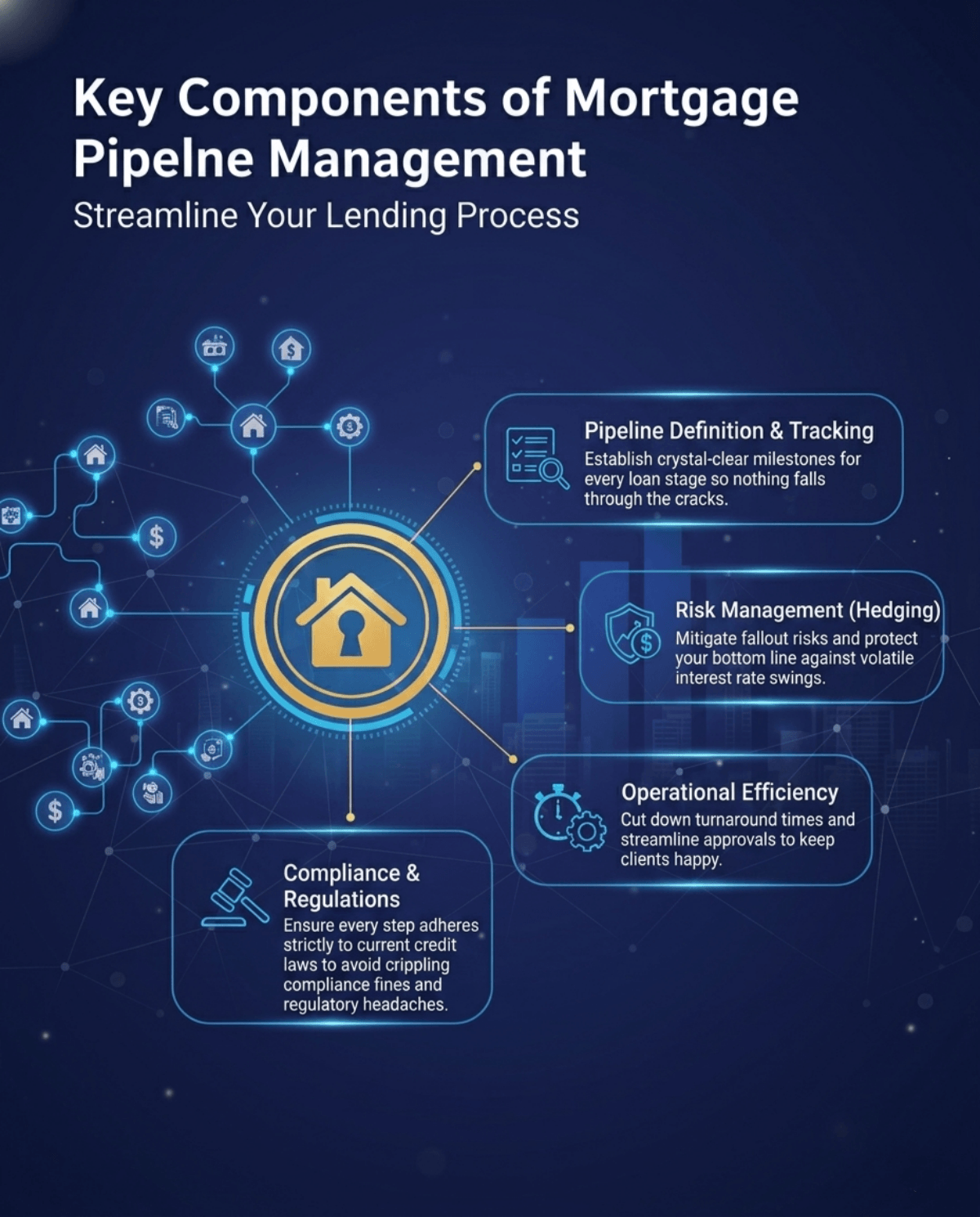
Key Components of Mortgage Pipeline Management
Managing this constant flow of applications isn't just about moving folders from one desk to another. It requires a multi-dimensional approach. Over the years, I've found that the most successful lending teams focus heavily on a few non-negotiable pillars.
To keep everything running like a well-oiled machine, you need to consider the following key components:
- Pipeline Definition & Tracking: Establish crystal-clear milestones for every loan stage so nothing falls through the cracks.
- Risk Management (Hedging): Mitigate fallout risks and protect your bottom line against volatile interest rate swings.
- Operational Efficiency: Cut down turnaround times and streamline approvals to keep clients happy.
- Compliance & Regulations: Ensure every step adheres strictly to current credit laws to avoid crippling compliance fines and regulatory headaches.
Best Practices: How to Manage Your Mortgage Pipeline Effectively?
Knowing the components is one thing, but executing them is another. Let me share the actionable best practices I rely on to turn a sluggish pipeline into a high-converting machine.
Leverage AI-Powered Pipeline Management Software
In 2026, relying on manual data entry and traditional spreadsheets is a fast track to losing borrowers. The modern lending environment demands speed, and quite frankly, we need AI to handle the heavy lifting. This is where I've found immense value in leveraging tools like Zeitro, a premier Mortgage AI Agent built specifically for U.S. mortgage professionals. Instead of drowning in paperwork, Zeitro allows teams to deliver pre-qualifications 2.5 times faster, close 30% more loans, and saves account executives and underwriters 18 to 20-plus hours per user every single month.
Here are the four core Zeitro tools that actually empower pipeline management:
- Zeitro Strata AI: This AI-powered assistant is a lifesaver. It verifies both QM and Non-QM mortgage guidelines in seconds across multiple sources, eliminating most of the manual lookup work and reducing underwriter bottlenecks.
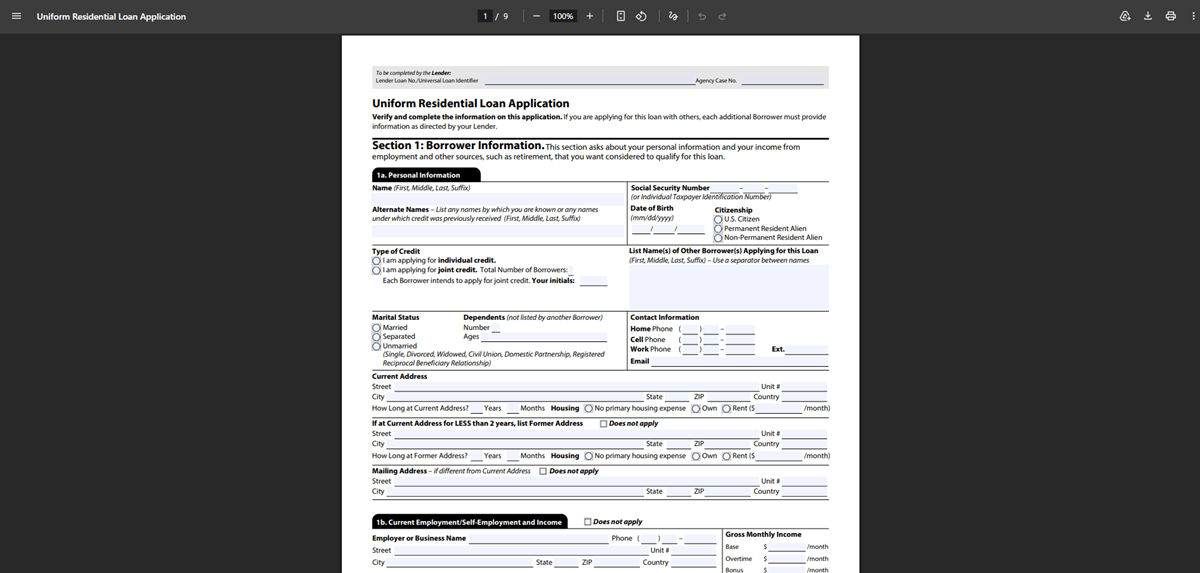
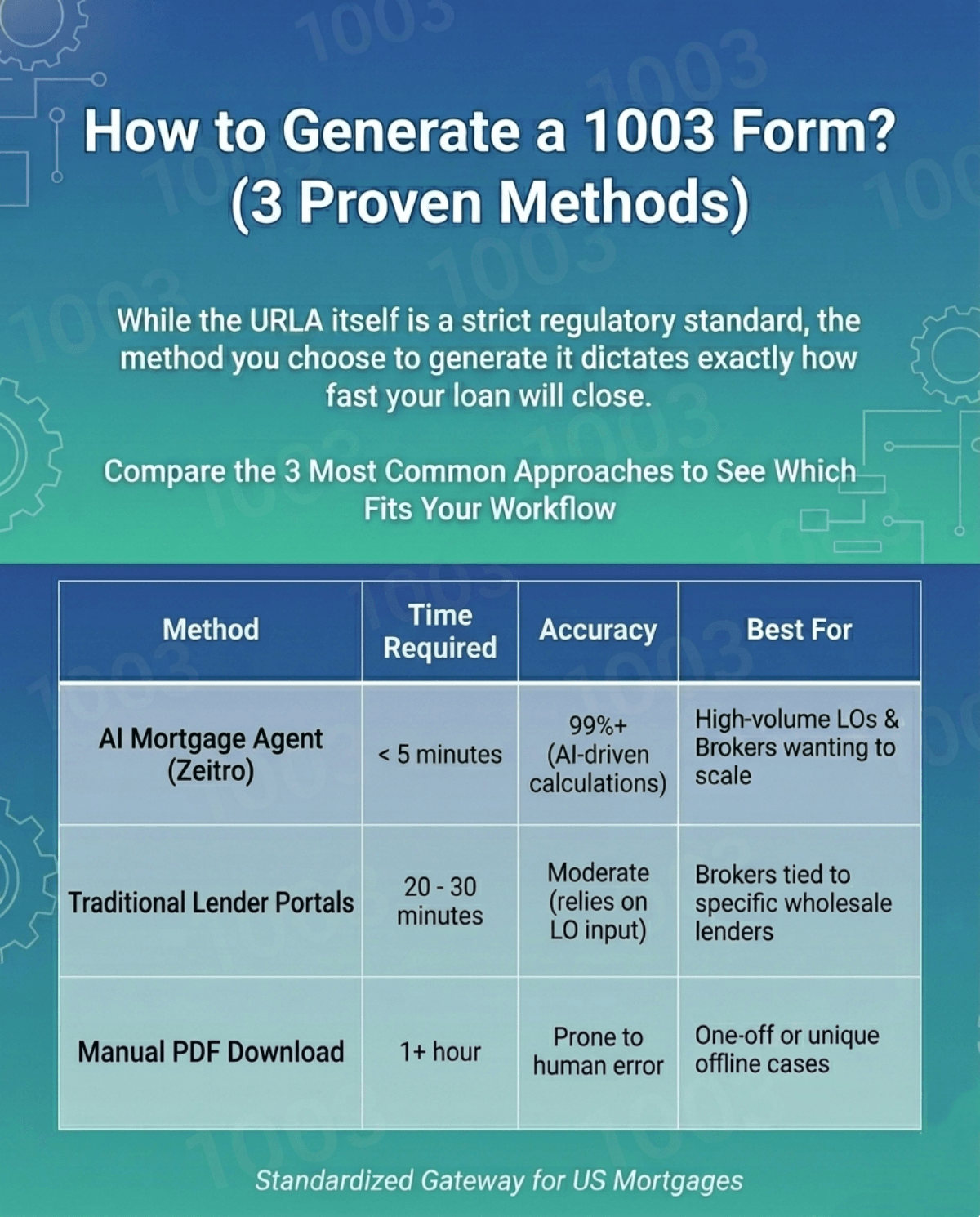
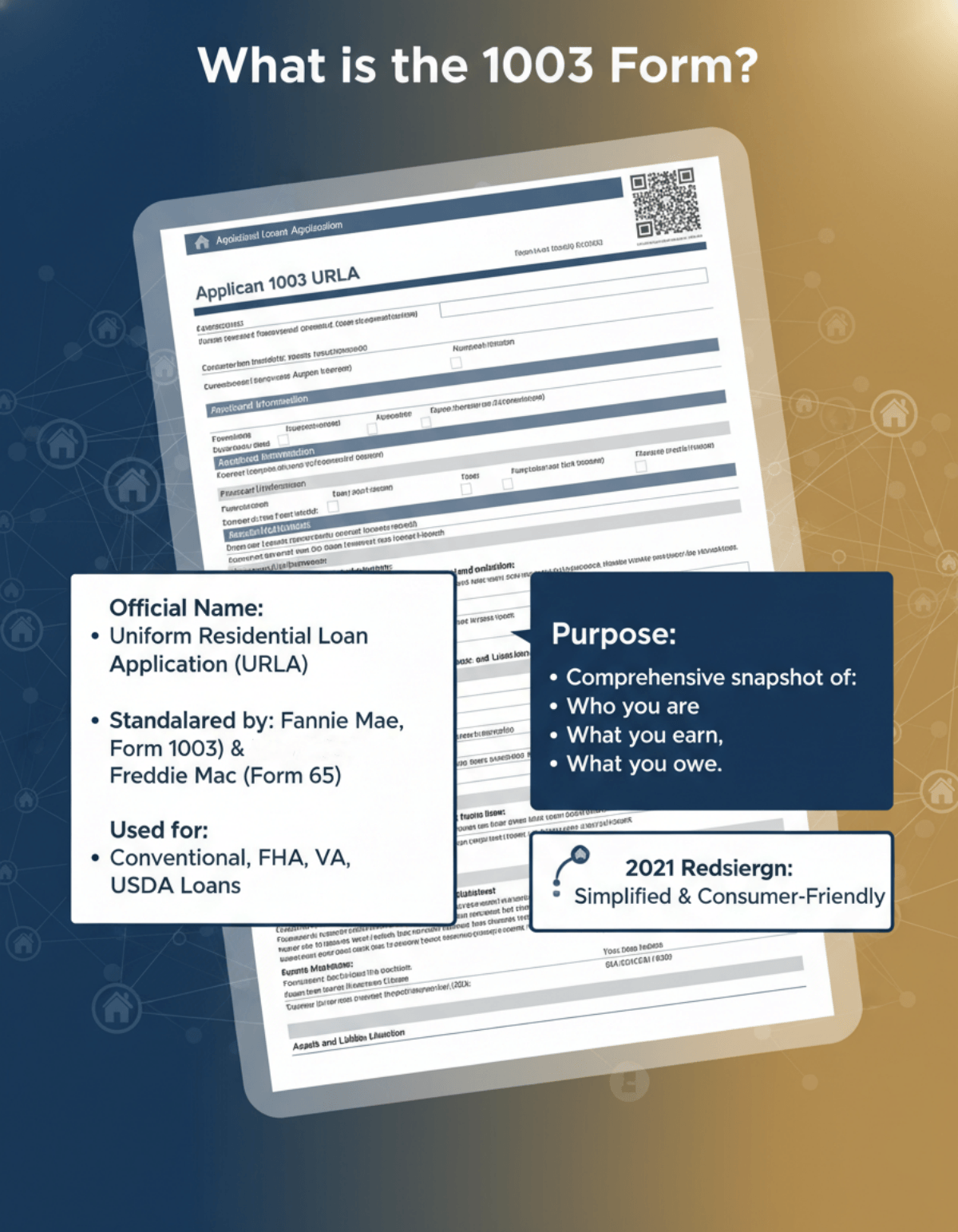
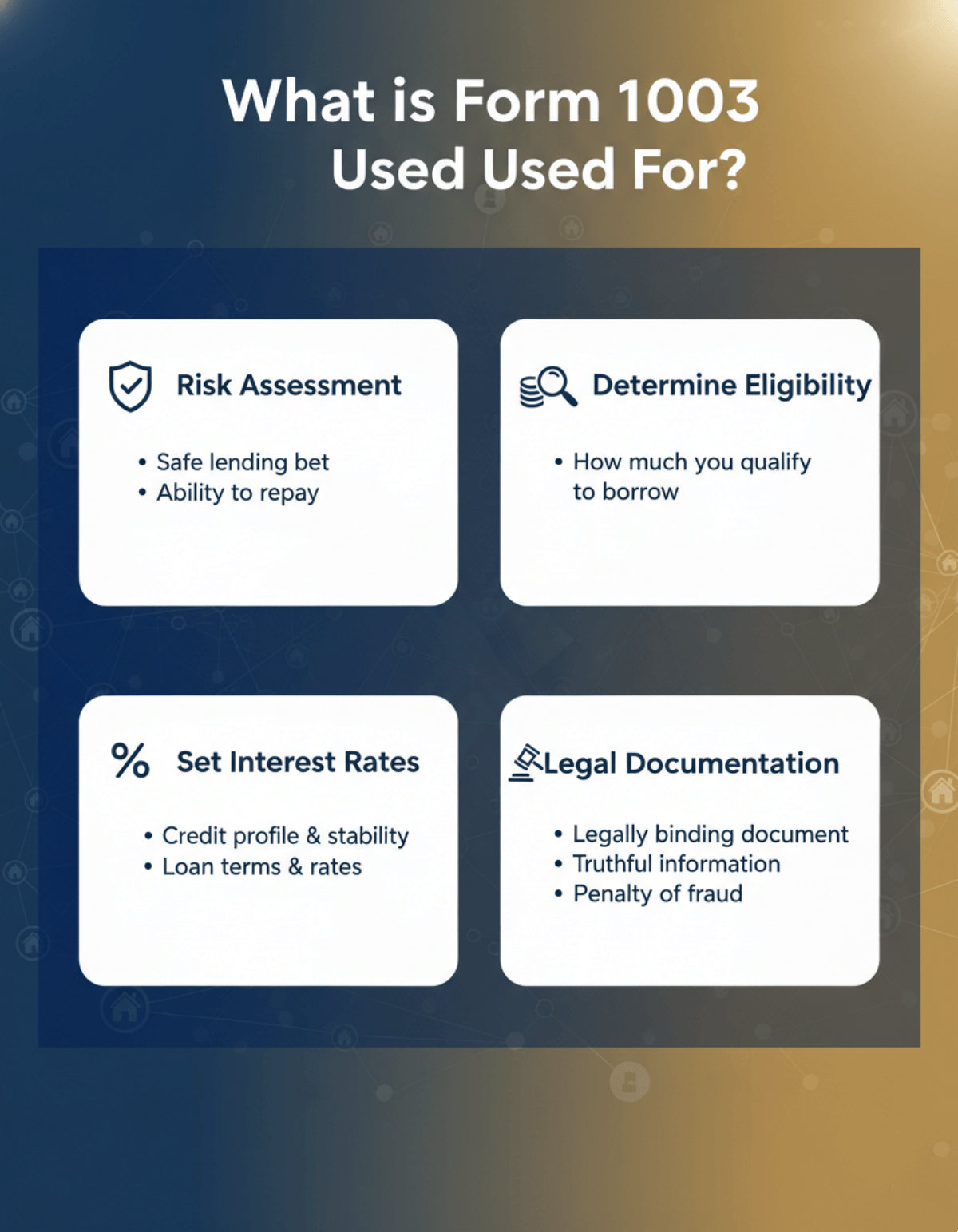
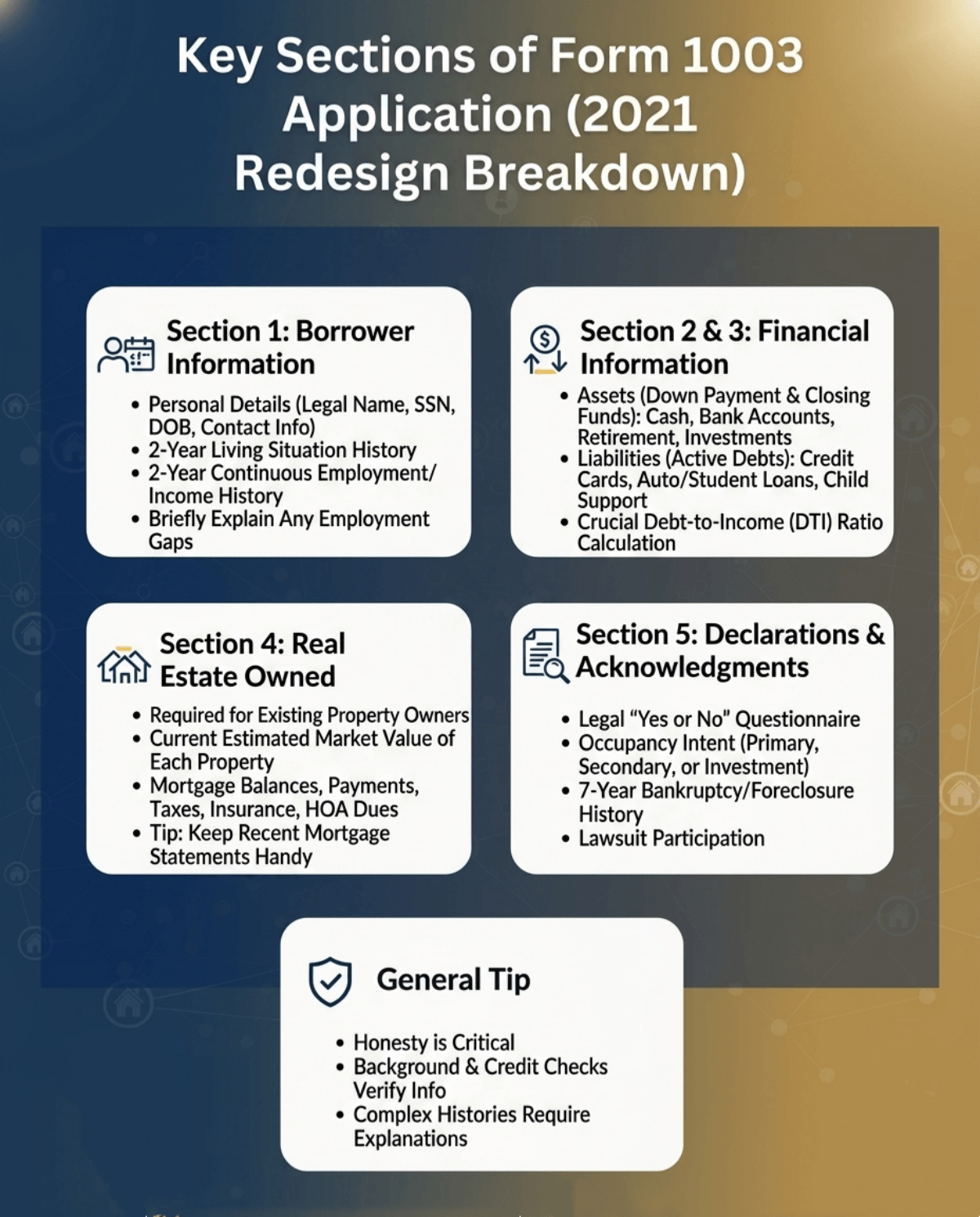
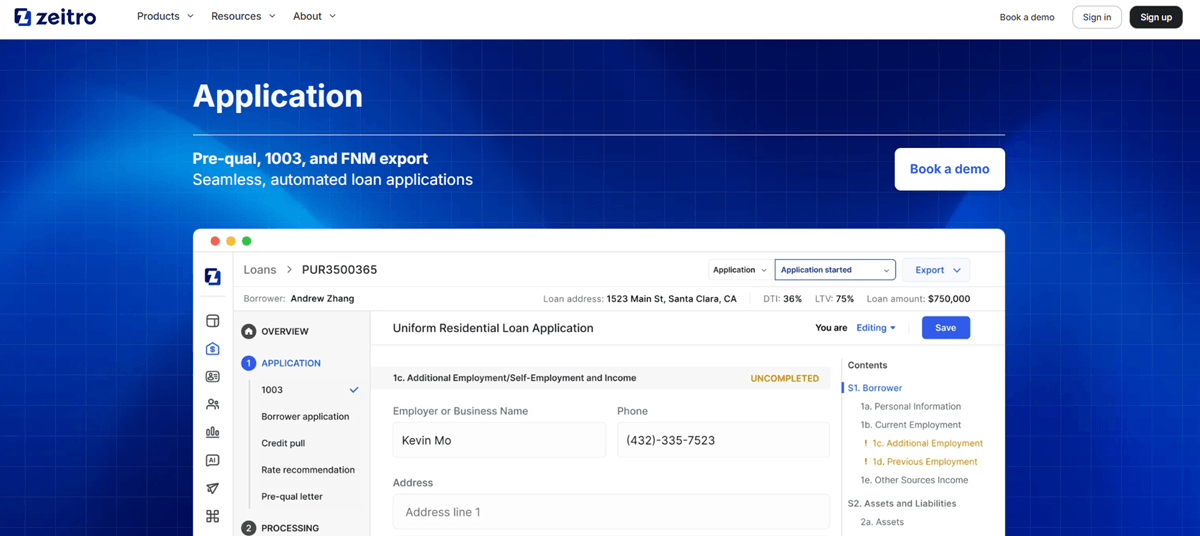
- Digital 1003 (POS): A borrower application system that automates everything from accurate AI-driven Debt-to-Income (DTI) calculations to exporting FNM 3.4 formats. It boasts a 90%+ completion rate, letting borrowers finish the 1003 form in just 5 minutes and accelerating intake.
- Pricing Engine: An intuitive rate quote tool granting instant access to up-to-the-minute conventional and Non-QM rates. You can deliver highly competitive pricing in seconds, which is crucial for early conversion.
- GrowthHub: A customizable, SEO-optimized personal microsite on Bluerate for loan officers. It features instant rate quotes and pre-qualification forms, acting as a lead-generation magnet to keep your pipeline consistently full.
Standardize Workflows Across the Pipeline
You cannot scale chaos. One of the biggest lessons I've learned is that standardizing your Standard Operating Procedures (SOPs) is vital for a smooth pipeline. Every time a file moves from a loan officer to a processor, and then to an underwriter, there's a risk of friction or miscommunication.
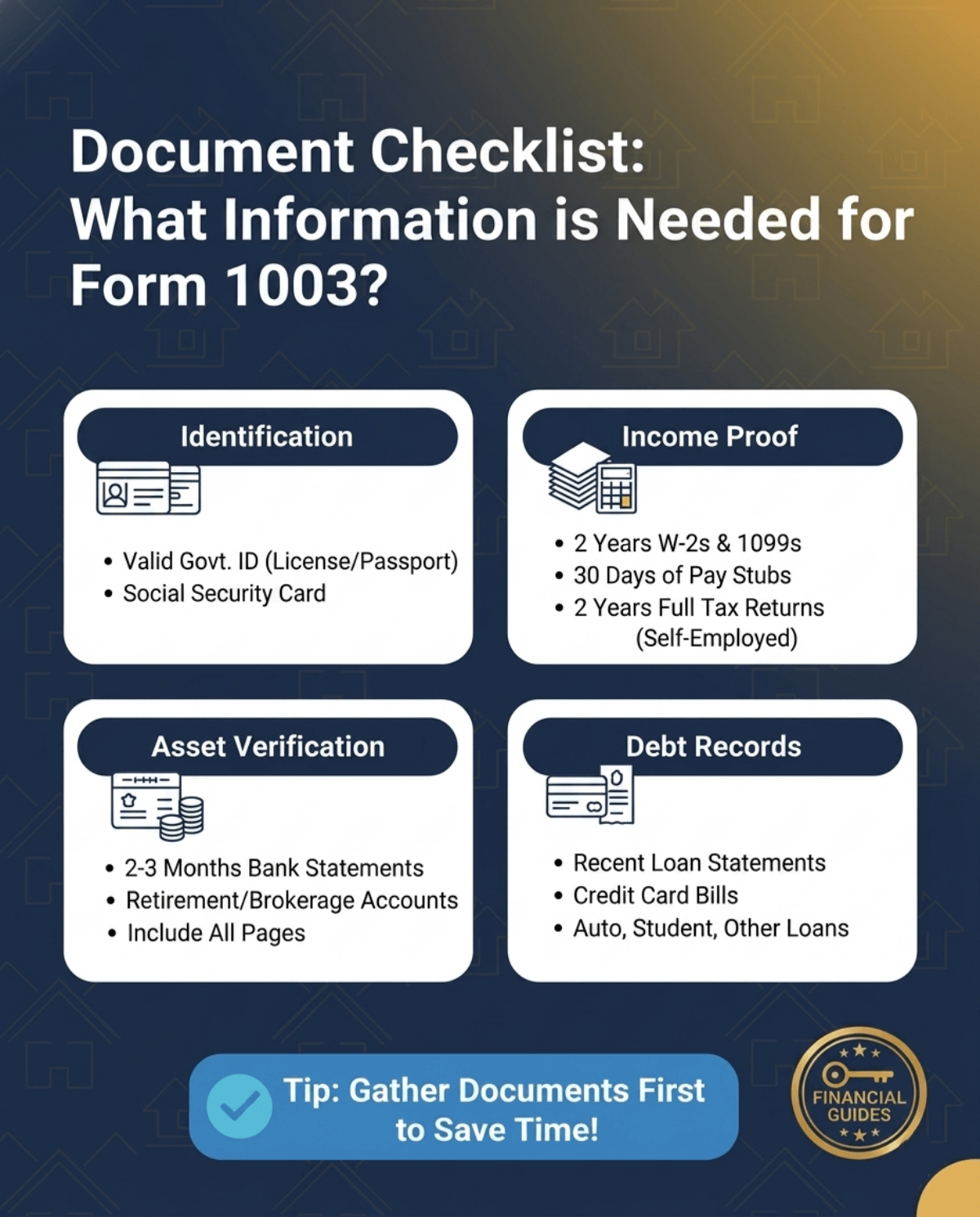
By establishing clear, standardized milestones, you ensure that everyone on the team knows exactly what is required at each specific stage. This means standardized document checklists, uniform communication templates, and rigid handoff protocols. When expectations are crystal clear, you dramatically reduce the back-and-forth emails and missing document requests that typically delay closings. A standardized workflow keeps the momentum going and builds trust with your borrowers.
Implement Data-Driven Reporting & Analytics
If you aren't measuring your performance, you are simply guessing. I rely heavily on data-driven reporting to make informed decisions rather than going by gut feeling. Real-time analytics are the heartbeat of effective pipeline management.
You need to constantly monitor core metrics like your pull-through rates, fallout rates, and average turnaround times. For instance, if data shows a sudden spike in loans stalling during the processing phase, I immediately know where to investigate. Utilizing advanced reporting tools allows you to proactively spot trends, identify exactly which stage is causing delays, and adjust your strategies before those bottlenecks cost you deals. Let the numbers guide your daily operations.
Optimize Loan Volume & Capacity Planning
The mortgage industry is famously cyclical. Volume fluctuates wildly. Managing capacity is all about ensuring your team doesn't buckle under pressure during a boom or sit idle during a lull. I've seen underwriters get entirely overwhelmed when a sudden surge of applications hits the pipeline, leading to costly errors and missed deadlines.
To optimize capacity, you must anticipate these waves. When the pipeline swells, leveraging AI technology, like the assistants I mentioned earlier, can absorb the excess volume without requiring you to immediately hire more full-time staff. Properly balancing the workload prevents burnout and ensures that every loan, regardless of the overall volume, receives the prompt attention required to reach the closing table on time.
Separate Workflows by Loan Types
Treating every loan exactly the same is a rookie mistake. Qualified Mortgages (QM) and Non-QM loans have vastly different documentation requirements and risk profiles. Mixing them in the same processing queue usually slows down the simpler, straightforward files.
I strongly recommend segmenting your pipeline based on loan type. By separating these workflows, you can route the complex Non-QM scenarios to your most experienced processors or let specialized AI tools quickly handle those obscure guideline queries. This prevents a complicated bank statement loan from holding up a standard W-2 conventional application. Routing files to the right expertise instantly boosts overall review efficiency and improves your team's sanity.
FAQs About Mortgage Pipeline Management
Q1. What is a loan pipeline?
It is the total sum of all active, in-progress loan applications your business is handling before they are either fully funded or canceled.
Q2. What are the KPIs for pipeline management?
The core Key Performance Indicators (KPIs) include the pull-through rate, fallout rate, average cycle time (from origination to close), and the operational cost per loan.
Q3. What is mortgage pipeline hedging?
It is a financial risk management strategy where lenders use market instruments to protect themselves against the risk of interest rate changes after a borrower locks in their rate.
Q4. What is the difference between a mortgage pipeline and a portfolio?
A pipeline consists of active, unclosed loans still in the application process, while a portfolio refers to fully funded loans that a lender already holds as assets.
Q5. How can AI improve mortgage pipeline management?
AI transforms the process by automating mundane data entry, instantly verifying complex lending guidelines, and drastically accelerating underwriting decisions.
Q6. How do you calculate the mortgage pipeline fallout rate?
You divide the total number of loans that failed to close (before their rate lock expired) by the total number of locked applications during that same period.
Final Thoughts
Let's face it: the mortgage landscape is incredibly competitive right now, and the margin for error is constantly shrinking. Effective mortgage pipeline management isn't just a defensive tactic to avoid risks. It's an offensive strategy to increase your revenue and deliver an exceptional borrower experience.
By standardizing workflows, keeping an eye on your data, and embracing next-generation AI technology like Zeitro, you can completely automate the tedious daily tasks. This frees you up to focus on what truly matters: building strong relationships and closing more deals. If you are ready to stop fighting with clunky spreadsheets and start scaling your business efficiently, I highly recommend exploring Zeitro's free Explorer tier. It's time to let innovation drive your pipeline forward.
People Also Read
- Best Mortgage CRM for Brokers, Lenders, MLOs
- Top Loan Origination Systems: Close More Loans Quicker
- Best AI Mortgage Underwriting Software for Loan Professionals
- What is Mortgage Eligibility Checker? Best Tool to Verify Guidelines
- How to Determine Mortgage Eligibility? Verify Guidelines in Seconds